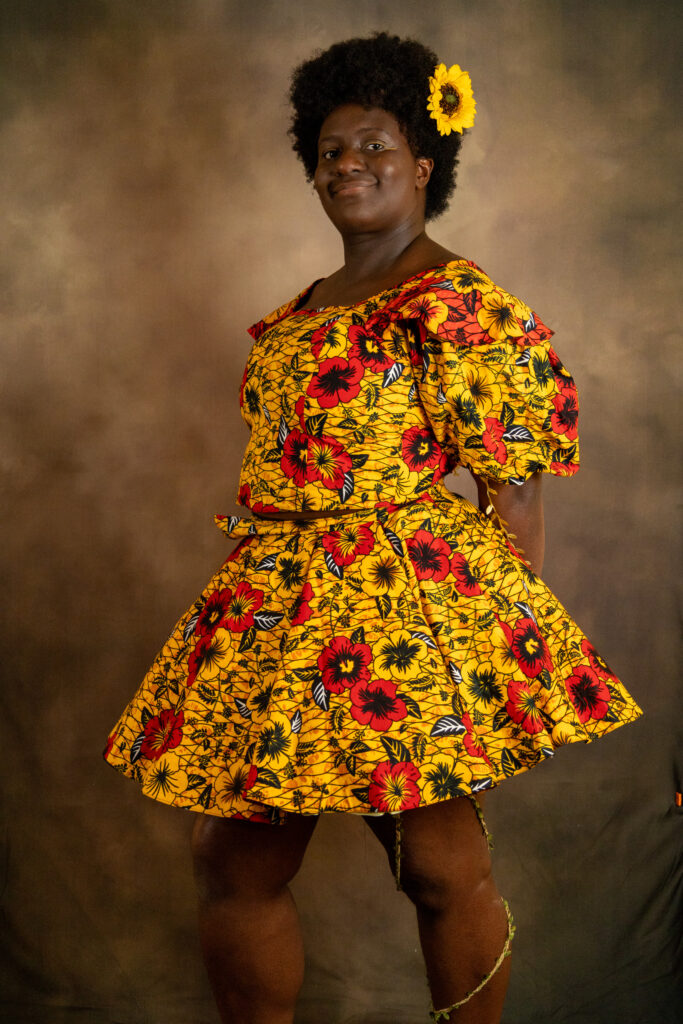
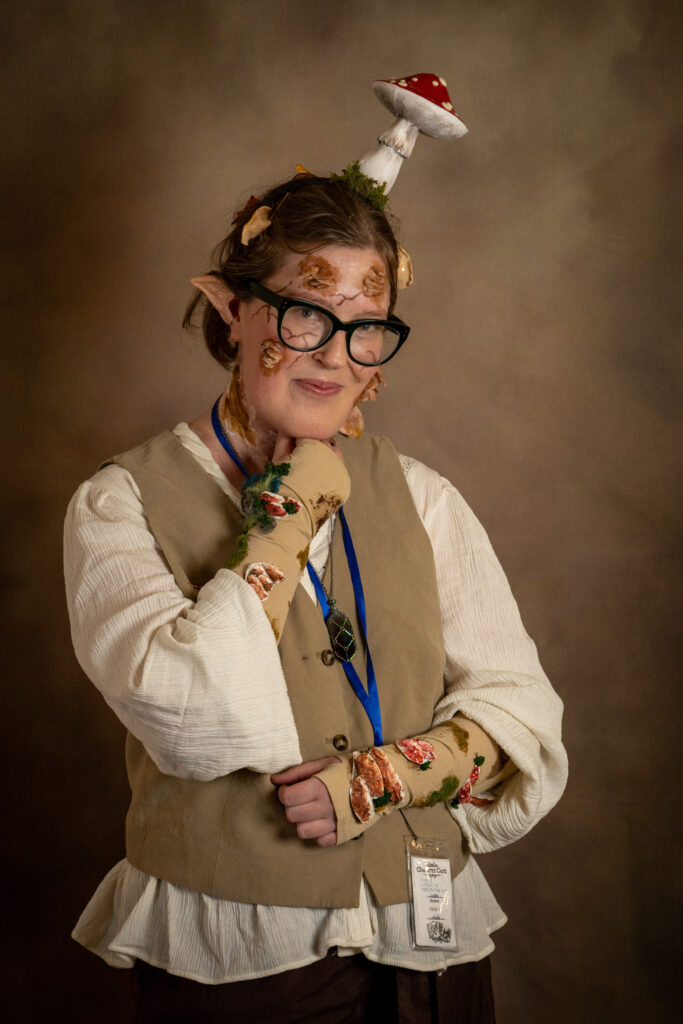
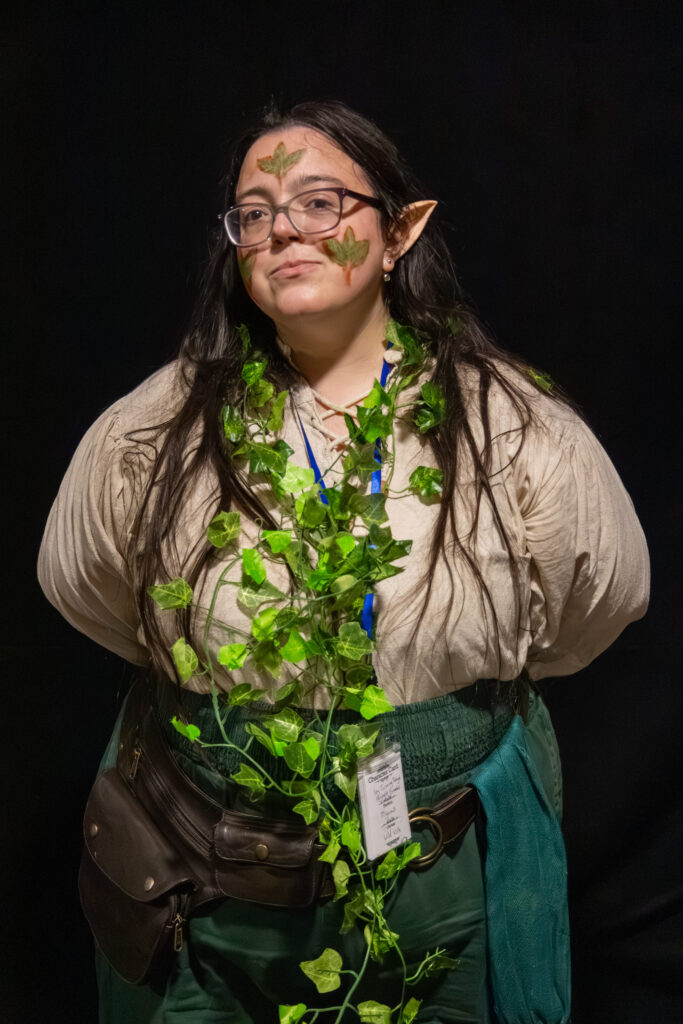
On Domus, nature was a fluid thing. It flowed into and out of itself; trees became rivers became mountains became grasslands. A living breathing sea of life and minds that cycle and split and merge again. Sometimes this nature would separate itself from the flow by just a few degrees, gaining legs to walk and breath to sing and hands to shape what was around it. These were the Wild Kith of old. As much a part of the planet as the leaves on a tree are part of the tree. Connected, tethered, growing and withering with it, breathing with it. As the planet was in a state of constant change, so too were Wild Kith.
On Earth, nature is a slow moving beast. While a tree can become mulch become mud become a lake, it takes decades and centuries. While a river can split a mountain, it takes millennia. The world changes but slowly, things are mostly fixed in place. A stone is a stone, a tree is a tree, a river is a river, and the place where they meet is not a grey area. So too are the Wild Kith, the fae, static beings. They change in a fashion, like how a tree changes its colours for the season, but the changes are small things. There is no connection to the planet as there once was, no flow, no movement.
For Fae born on Earth, this seems to be inconsequential. While their seeds were carried from Domus, while they are in a manner reborn from the ones that came before, they have no memory of that time. Only a silent, barely perceptible longing in the back of their minds. Their essence remembers even if they do not.
For Fae born on Domus, Earth is painful. For the first time in a Fae’s life, they are utterly and entirely alone. They cannot feel anything except themselves, cannot hear anything in their own head except their own thoughts. It is as though they have had most of their bodies horrifically and violently amputated. The metaphor is apt as some Fae report sensations akin to phantom limb but for the nature of Domus. Furthermore, because of their connection to all of Domus, the Wild Kith were the ones who first alerted others to the Cataclysm as they felt the planet beginning to necrotise and die. Surviving Wild Kith report that the sensation was one of pure and mind shattering agony.
The physical forms of Fae can vary incredibly wildly depending on the aspect they embody. Stony or crystal skin, leafy hair, mushrooms growing from where eyes should be, these and more are all possibilities. The consistent features are that they are humanoid, have pointed ears, and their blood is a thick sap like liquid. Fae do not tend to have much in the way of comprehensible internal organs. They tend to take the form of an intricate root system though rocky channels of blood and a full mycelium network have also been found.
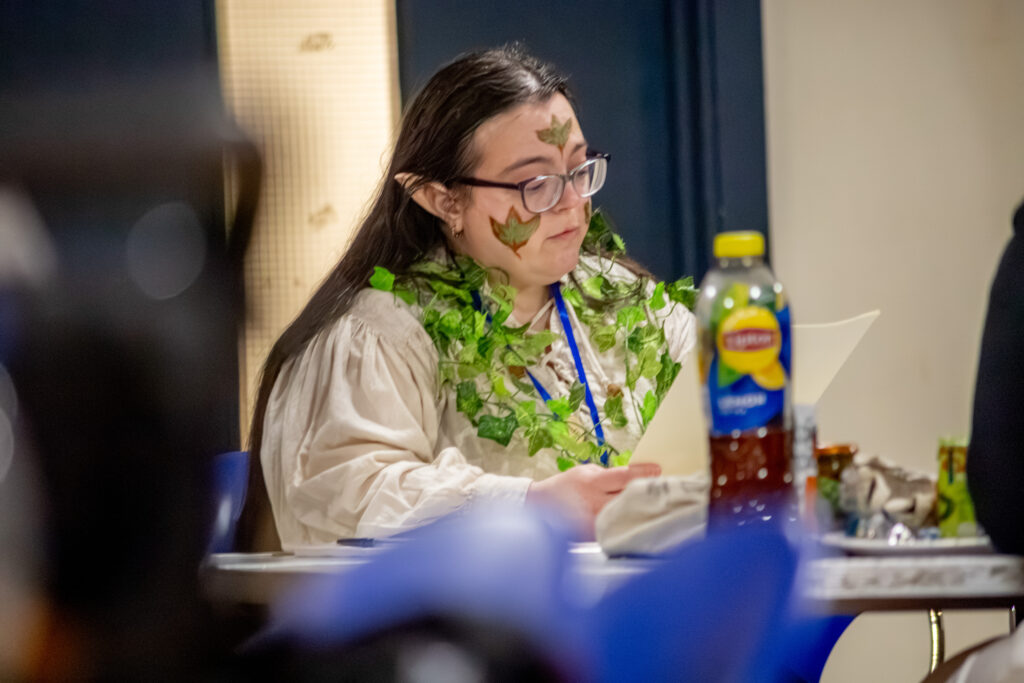
It is strange to many that for creatures as utterly fluid as Fae that their magical sympathy is in binding magic. However, it does make sense. Fae are the meeting point of the ephemeral and the eternal, on Domus oaths and words were the same. Your form could change but the words you left in the hearts and minds of others were remembered and forever. Many Fae, even without magical enforcement, loathe to break a promise or even lie. This is why they were named Fae by humans due to the old stories of fairies being unable to lie. Wild Kith, especially those from Domus, take the spoken word very seriously and the written word even more so. While younger Fae can be irreverent, most speak incredibly deliberately, carefully choosing every word that they say.
When Fae die, their bodies quickly decompose into a fertile soil leaving a crystalline seed. These seeds look similar to quartz and can come in many colours (usually reflecting the aspect the Fae was in when they died). Inside each seed is a small amount of liquid that is poorly understood. If more than a few drops of the liquid is removed the seed becomes inert and the liquid vanishes. If a cracked seed retains most of its liquid then the seed can still be buried and used to grow a new fae, however that fae will often behave unusually. This can come in the form of erratic behaviour, blackouts, hallucinations or other similar conditions. While it takes a lot of force to crack open a fae seed, once damaged it cannot be healed.
When these seeds are planted a new Wild Kith is born in time. Either they climb out of the ground in an infant humanoid form or some natural feature will grow there then a fully grown Wild Kith will emerge from it in time. There is a lot of debate about whether the new Fae is the same one reborn or a child. It makes little practical difference as the new Fae will have no conscious memories of their predecessor. As Earth plants cannot create new Fae, the seeds are currently the genus’ only form of reproduction.
Any Fae that ceases to be a Fae retains a crystalline seed but they are inert. Inert seeds have a blackened colour and are often damaged or cracked. If buried, no new Fae will grow. Very occasionally, something will grow in its place but these plants are brittle, bone white and lifeless. No Fae has ever emerged from one of these things.
While they are not connected to Earth’s ecosystem the way they were to Domus’, things that affect the environment of Earth also affect the Fae. Pollution, radioactive and magical fallout, left over chemical weapons, bombings, burnings, and even just over hunting all affect the Fae greatly. Being near areas of devastation or natural ruin can cause Fae to become physically ill with there being terrible effects if they are forced to endure it for too long. The Fae in London tend to take refuge in the farms of their factions though this tends to only mitigate the effects not erase them entirely.
Fae are creatures of the wild places, of change, of transformation and of grief from being separated from that.
Ex-Fae
The experiences of individuals who were once Fae varies wildly depending on what they were turned into and when. All Domus Wild Kith experienced grief and loss from the severing of their connection to Domus that took a long time to recover from. On Domus, it was almost unheard of for a Wild Kith to request a transformation and was often done as a form of punishment or an act of cruelty. On Earth, with this connection already broken, Fae have a much easier time adjusting to their new forms. Some even request it as it can help heal the wound of not having Domus.
Lycans
Fae that become Lycans have the easiest time adjusting. Though their forms are more rigid than before, unable to change animal aspect as they could change natural aspect, they find the fluidity familiar and comforting. Those that become Lycans often tap into the stranger aspects of Divination, while the things they see rarely come to pass due to the specific requirements of such futures, when they do they are strange and dramatic things. Growing workable internal organs can also be rather painful.
Dawn Vampires
Becoming a Dawn Vampire is incredibly difficult for Fae. The lack of a changeable form can feel like torment and can take a long time to adjust to. Feeling the energy of the Ley Lines can often make life easier for Ex-Domus Fae as, while different to the connection to Domus, it is still the feeling of being part of something much bigger than themself.
Dusk Vampires:
This is possibly the most difficult new genus for a Fae to become. Without a changeable form or an innate connection to the wider world, they often feel horrifically isolated and become incredibly depressed. This can be a dangerous time as it is difficult to get them to hunt or eat. Those that recover often work on honing their senses so as to help with the awful, awful quiet.