Just as the Sun Singers history is lost to time, so too is the true origins of the Night Walkers. Most believe that the very first were once Sun Singers who committed a crime so great and terrible that they were forever banished from the sun’s light and forced to subsist in shadow. There isn’t a lot of evidence for this beyond their aversion to sunlight and their diet. Other stories claim that they were once Beast Kith or Wild Kith who, during a great disaster, used a ritual to allow them to be sated on blood alone. Yet more stories claim that they were born from the darkness before the sun came to be and are in fact the oldest of all the creatures of Domus. Whatever their origins, two things are true about Dusk Vampires: the sun is death and blood is everything.
Exposure to direct sunlight causes Dusk Vampires incredible amounts of pain. It burns their skin leaving horrible scars when the wounds do eventually heal. Direct sunlight also triggers most Dusk Vampires fight or flight reflexes, making them scared, anxious or even violent. In direct sunlight can make them more agitated so most Dusk Vampires prefer to stay shut away from the sun entirely, however, many realise that this isn’t always possible. Dusk Vampires that interact regularly with diurnal creatures will gradually build up a tolerance to indirect sunlight. No tolerance can be built up against direct sunlight. In some cases, when a Dusk Vampire was entirely unable to escape the direct sunlight, the wounds they were left with were fatal.
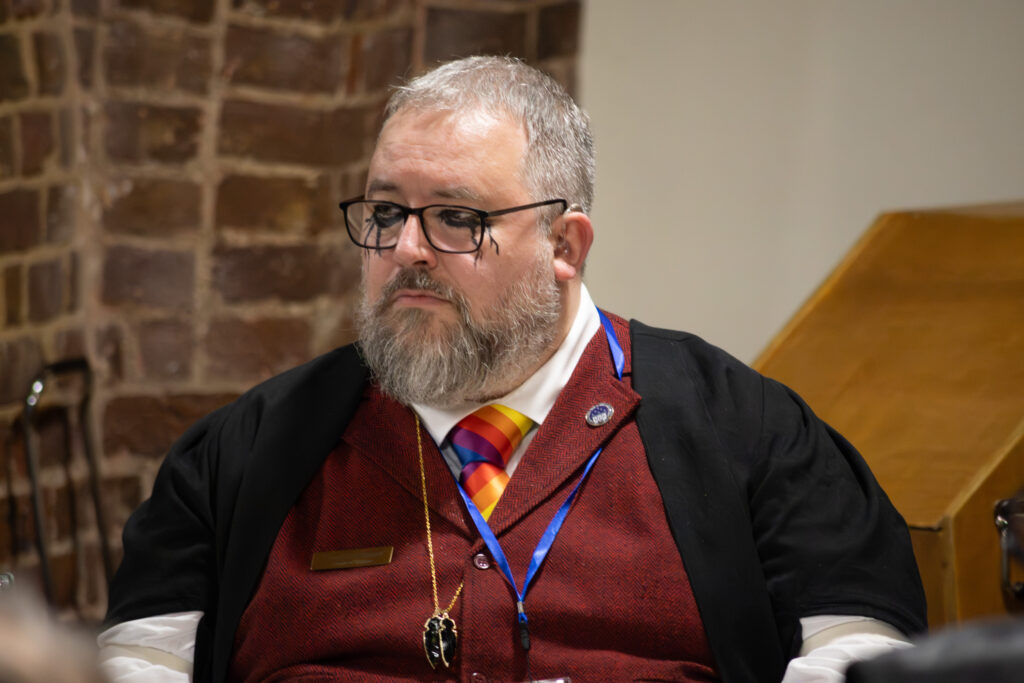
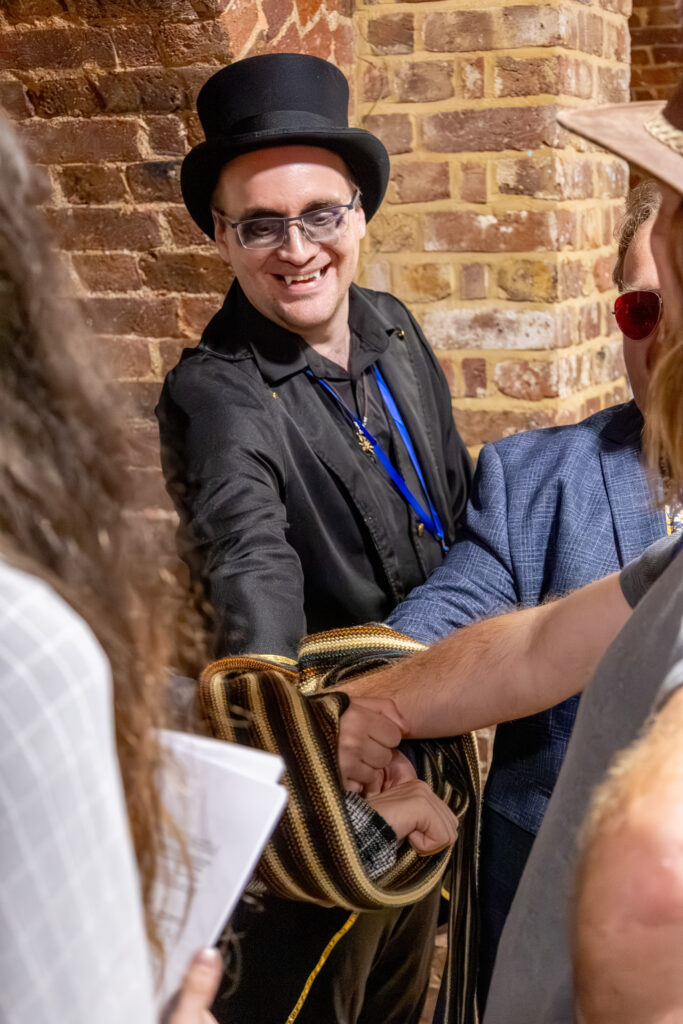
It is impossible to be a vegetarian Night Walker. They gain no sustenance from anything except blood, they do not even have a recognisable stomach instead their digestive organs are more akin to a secondary circulatory system. They have pronounced fangs that vary in size and shape depending on lineage. The blood of a Night Walker is a pitch black substance that looks like very fluid tar. When it leaves the body, it quickly hardens into a tough substance somewhere between jet and obsidian known as ‘Night Tears’. These are often fashioned into jewellery by Night Walkers and given as gifts to those they are close to. Leaders of Night Walker communities will often wear a necklace of Night Tears. When a revered Night Walker dies, it is common for their loved ones to each form a Night Tear from their blood, these are often kept as heirlooms to be passed on to others. The black blood of Night Walkers is such that veins often show through the skin in areas where blood vessels are close to the surface such as wrists, neck and temples or around the eyes. Some Night Walkers even have black sclera due to this. During the act of transformation, black blood can often pour from the individual’s eyes leaving permanent black scars in the shape of tears.
All of the senses of a Night Walker are incredibly heightened. This can be severely overwhelming for people when they are first transformed. It is not uncommon for new Dusk Vampires to entirely shut themselves away from everyone and everything until they stop being overstimulated by the smell of their own breath. Their advanced senses and innate hunter’s instincts allow them to easily learn physical vulnerabilities of those around them. From favoured weakened joints to heart arrhythmias to blood deficiencies, it allows them to swiftly pick easy prey out from a crowd. This can create tensions but it can also allow Dusk Vampires to act as excellent doctors or physicians.
Hunting is an integral part of being a Night Walker. While they can definitely survive by being given bagged blood, being unable to hunt down live prey causes Night Walkers to become depressed and lethargic. To maintain health, a Night Walker must hunt at least once every two weeks, though this doesn’t have to be their main source of blood. Many Dusk Vampires on Earth get by with catching vermin that plague settlements. The blood is miniscule and the hunt unsatisfying but it keeps them from tipping over the edge. When Dusk Vampires sleep, typically during the day, they often dream of hunting. Many describe endless chases through strange environs seeking creatures they don’t fully understand. This need for hunting often encourages Dusk Vampires to be nomadic and eager explorers. It can also make them incredibly dangerous to others. If a Dusk Vampire has been unable to hunt for an extended period of time, they unconsciously begin to broaden their internal definition of prey.
Blood is the main, and only, form of sustenance a Dusk Vampire requires. This is typically gathered from non-sapient animals and must be consumed daily similar to how much a human or lycan requires. They do however have the ability to eat other food, though they gain no sustenance from it, and this food must be regurgitated at a later point in the form of hard shelled pellets. It is not a particularly uncomfortable process and some Dusk Vampires make a game of seeing who can spit their pellets the furthest, similar to human children with cherry pips.
This connection to blood is perhaps why they are also most in tune with the magic of blood. The humours and dyscrasias in others blood can affect them (perhaps one of the reasons they avoid sapient blood). [Note: drinking from someone under a blood magic effect does not give you any mechanical change but you are encouraged to roleplay a mood shift should you do so.] Many Dusk Vampires cultivate their skills in blood magic, using it in forms of ritual as ways of connecting people together.
The act of transforming a person into a Night Walker is called siring. It requires feeding a person black Night Walker blood three times within a 30 day period. The transformation begins from the first blood (requiring the second and third to continue) and is a violent one regardless of the original genus and most end up repressing the memories of the event. The main benefit of the transformation, aside from becoming a Dusk Vampire, is that it will heal any wounds a person is suffering as part of the magic. It is not unheard of for Dusk Vampires to transform a dying person in an attempt to save them. Said individuals are not always grateful.
The line of sire and sired is referred to as a ‘lineage’ and many consider it the same as an ancestral line. Certain qualities will be passed down lineages, often the shape of fangs or changes to eyes. On Domus, Night Walkers had very close lineage ties, often forming almost family based packs. They would hunt together, rest together, and do most things together. It was also incredibly common to take in ‘strays’. Whether these are other Night Walkers who have been abandoned by or who have rejected their sires (typical in cases of violent sirings), or even beings of a completely different Genus. Nocturnal based Beast Kith and non-leafy Wild Kith were common additions to a Night Walker pack. For obvious reasons, it was incredibly rare for a Sun Singer to be part of one but it was not entirely unheard of. Because of this, large Night Walker travelling packs could become incredibly large and bustling displays of many varieties of individual though with a Night Walker lineage at its core. Almost anyone who didn’t fit in with other societies could find a place in a pack such as that. This can often cause tensions for this very reason. The societies people are outcast from very rarely look kindly on others like them.
Lone Night Walkers on Domus weren’t especially unheard of. There are individuals in every culture and genus who simply do not get along well with others. They were however often looked upon with some suspicion as it is hard for many to believe that someone would willingly choose to travel alone. Without a pack, lone Night Walkers can leave themselves vulnerable to dangerous beasts of the land and other people who may see a lone Night Walker as a potential threat that must be dealt with first.
During the Exodus, most Dusk Vampire lineages and packs were shattered with most Dusk Vampires left to wander alone or attempt to start new ones. Without the large areas to hunt in, they often feel enclosed, anxious and claustrophobic. They are hunters without prey, creatures of the wild without a wild, and beings who unfortunately resemble monsters from Earth myth. They tend to be treated with the greatest amount of suspicion by Earth natives and will often have to deal with garlic, holy water, and religious iconography brandished at them. While these have no effect, many like to pretend that they do.
To be a Dusk Vampire is to be aware, constantly, that the world is split into predator and prey. That at any moment, someone you care about could become the latter. You must remain in control lest you become the very thing others tell stories about.
Ex-Dusk Vampires
The most difficult thing for Ex-Dusk Vampires to adjust to is the sun. While it no longer physically hurts them, it can take a long time to beat down the instinctive fear from its light. If a Dusk Vampire becomes a nocturnal lycan, they often have the easiest time adjusting to this as they don’t need to worry too much about affecting their health by remaining a creature of the night. Becoming a Dawn Vampire can be an intense challenge as their own golden appearances can cause jolts of panic when they catch sight of themselves in the mirror. That innate hunter’s instinct never really goes away but their senses certainly become duller. This can be both a blessing and a curse, more so the former if they were easily overwhelmed, more so the latter if they relied on their advanced senses in daily life.