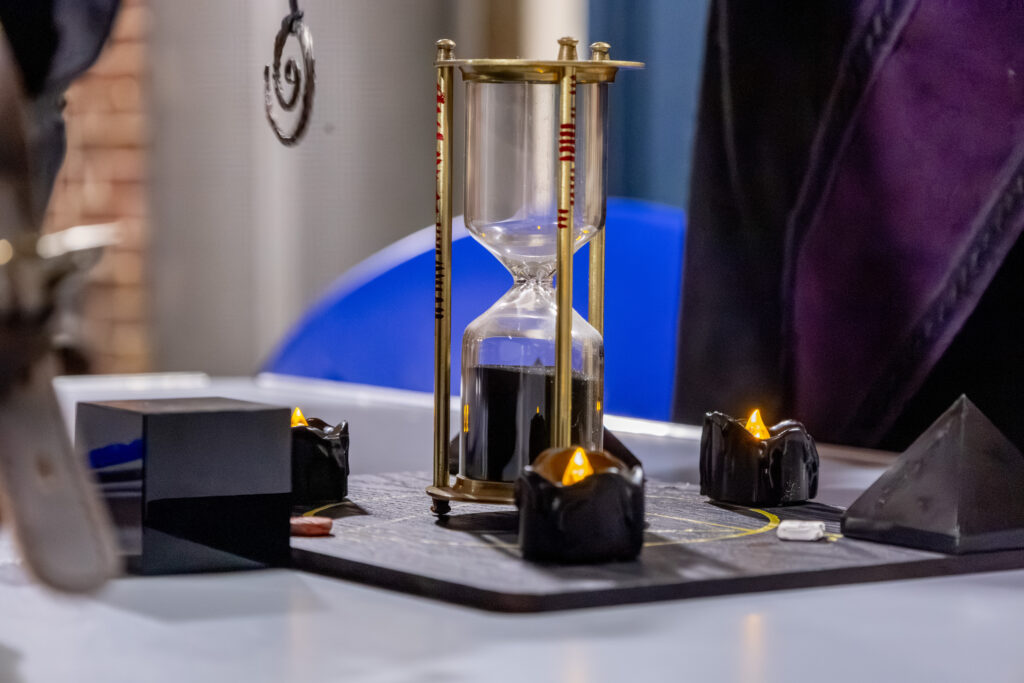
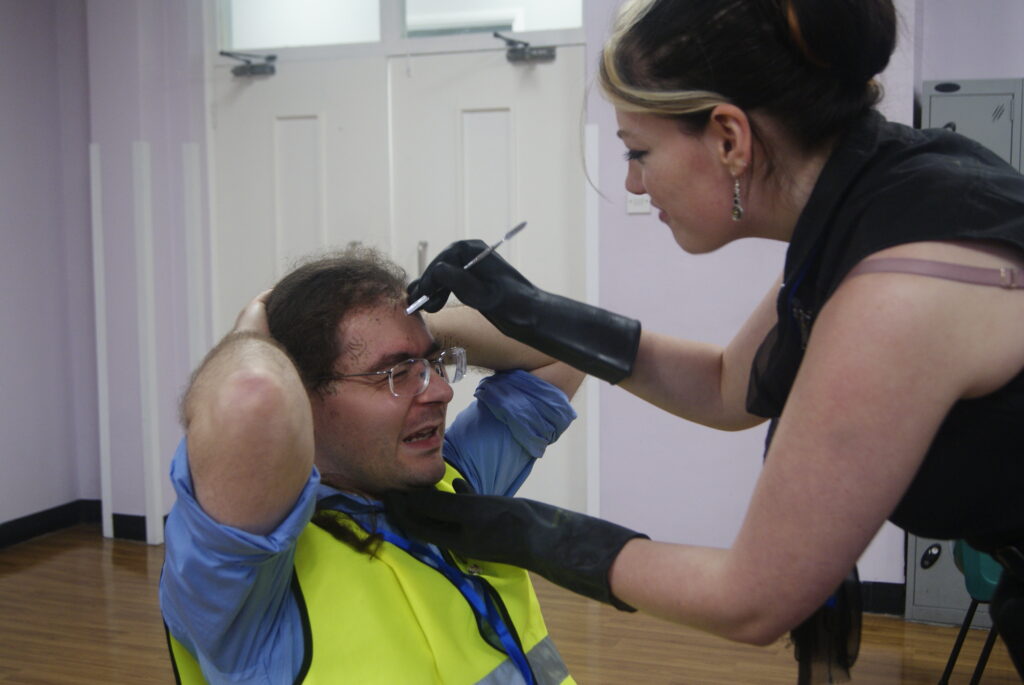
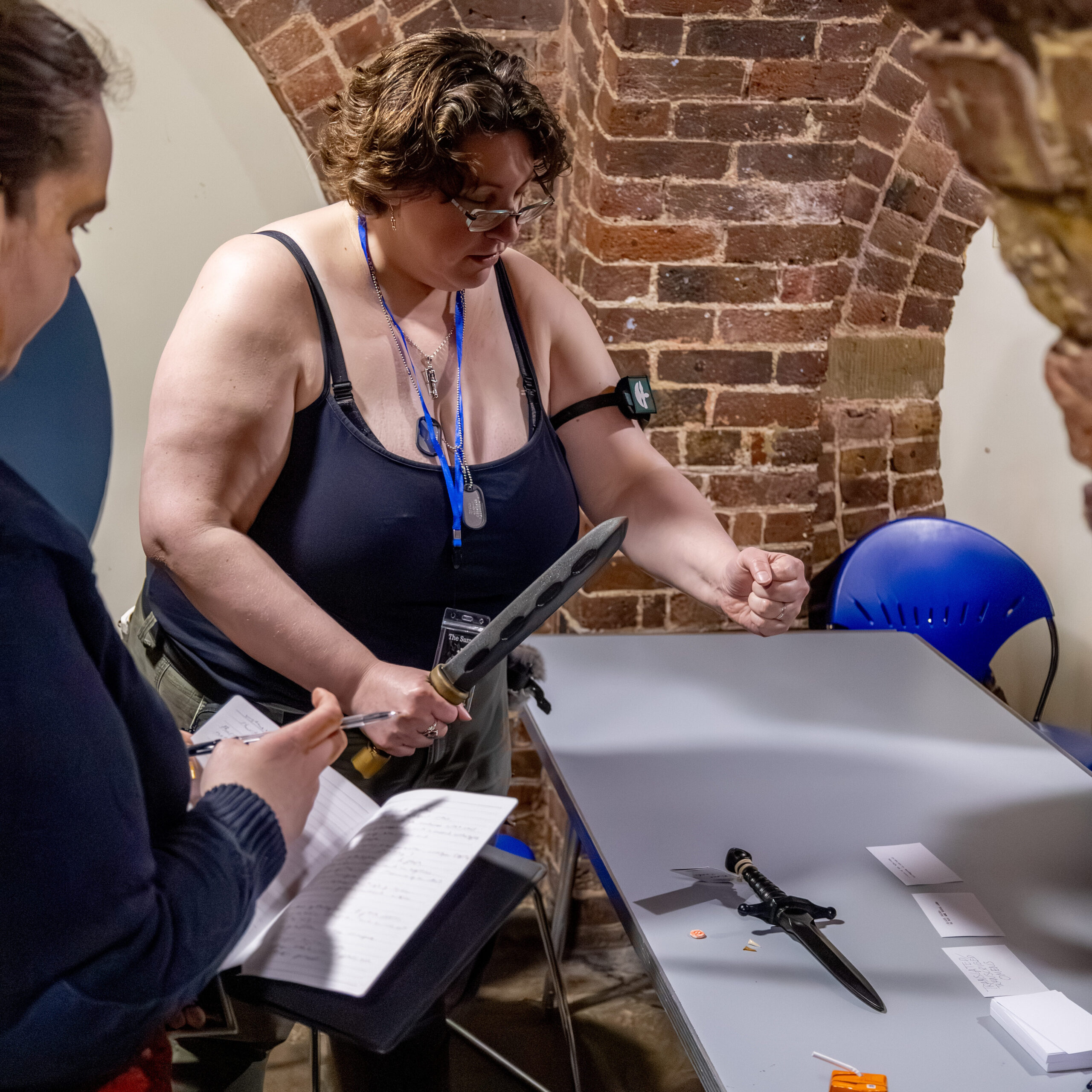
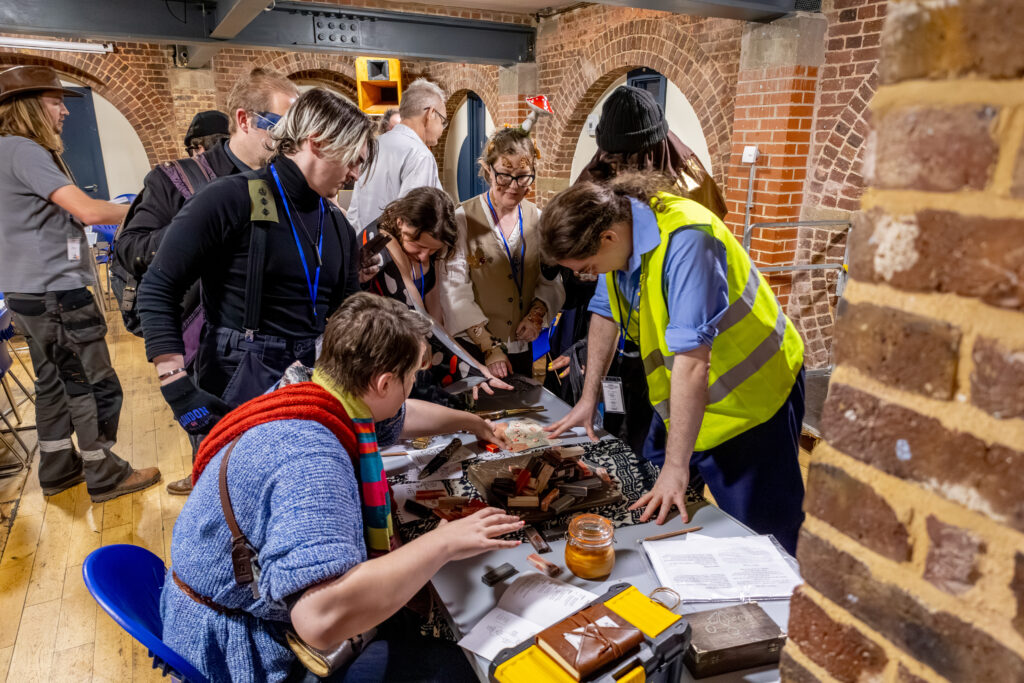
Blood Magic, Energy Magic, Divination Magic and Binding Magic represent a single frequency in the broad spectrum of magic, in its raw form. Anybody can interact with these forms of magic given the opportunity, without any special training.
Ritual Magic is different. A ritual is a complex work of magic drawing on its many colours and weaving them together in a precise, controlled and predetermined recipe. Each ritual is a distinct, unique, codified process to direct magic towards a precisely defined end. Performed correctly, and the ritualist knows exactly what will happen, but if performed incorrectly the magic simply fails.
Unlike Blood, Energy, Divination and Binding magic, not just anybody can perform Ritual magic. At the very least, performing a ritual requires somebody who has studied and memorised the exact steps and can perform them perfectly. As well as this, each requires one or more Oblations – small objects imbued with magical power that is sacrificed as fuel for the Ritual’s effect. Oblations come in two forms; Flesh oblations are concerned with material things, gaining power from the physical substance of the object, while Symbol oblations are symbolic or representational, gaining power from the meaning associated with the object rather than its physical nature. A good example of a Flesh oblation might be a person’s tooth, while a good example of a symbol oblation is an effigy of somebody.
Most Rituals have additional requirements, typically the involvements of particular types of people. These identities are known as Archetypes, reflecting the way that different types of person can empower different magical projects. For example, most magic involving violence will require the contribution of a Killer – literally, the archetypes of people who have killed somebody.
Some rituals create magical items that persist after the ritual is complete, known as Artefacts. Others can enhance a person’s resources, transform a person permanently, or enhance other forms of magic such as affecting a Leyline Convergence or the Omens interpreted by diviners. In theory, ritual magic can accomplish almost anything a ritualist can conceive of. However, doing so requires knowing the correct rituals for the task, and at this time only a small handful of reliable rituals are still known, with others having been lost in the collapse of society. Rediscovering lost rituals, or deriving new ones through magical means, allows a ritualist to increase the scope of powers open to them.
Ritual Magic in Play
Magic is not immediate, it takes the form of carefully performed rituals that affect the world in broad and subtle ways, sway minds, and interface with metaphysical matters. It’s a thumb on the scales, not a gun or a welding torch.
To perform a ritual, you will need to bring together the appropriate ingredients. Ingredients might include:
• The presence of a person with a particular archetype or property.
• The name of the subject person/place, or something with a connection to that subject.
• A signature by somebody with proper authority.
• Blood from somebody willing to empower the effort.
• Sworn oaths.
• Suffering.
• The presence of specific items.
• Intoxication.
• Music.
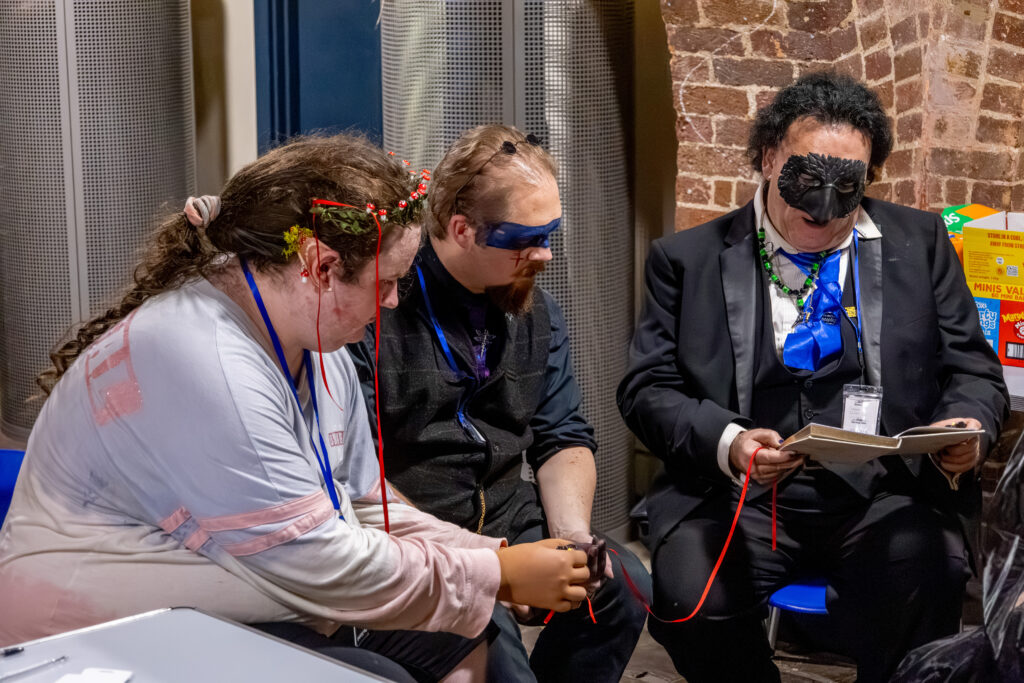
Further, at least one person present must have studied the ritual in question or be in possession of a ritual manuscript, and who hasn’t already cast that ritual that summit. You can only be the caster of a given ritual once per summit (preventing infinite loops) but you can still assist others in casting it, such as by providing your blood etc.
A cost in Oblations must be provided; either Flesh or Symbol. Oblation tokens will be provided by the game team; they are physical objects that can be traded about.
Rituals are codified. Each ritual does one thing; how it does it might be a matter of speculation, but the end result is observable. A ritual might be able to:
• Let the ritualists learn hidden information.
• Let the ritualists affect the resources of the subjects of the ritual in some way; increasing, decreasing, or altering the resources.
• Affect the basic nature of the subject in some way, transforming them temporarily or permanently.
• Affect the Projects in some way, perhaps either increasing or decreasing its threshold, or altering its aspects.
• Create magical artifacts or unusual Oblation tokens.
Most ritual magic will have side-effects. The most common side-effect will be roleplaying effects imposed on the casters, but other rituals might affect the outcome of plotlines in unexpected ways.