Blood Magic

Blood Magic deals with living bodies and minds in a very direct way. A practitioner of Blood Magic can reach into and direct the raw elemental forces that make up a person, adjusting the balance of their humours to alter their personality and magical resonances.
An imbalance of the humours is known as a Dyscrasia; causing the subject’s mental state to shift reflecting the new balance of elements within them. A user of Blood Magic, therefore, is rather like a therapist or drug dealer, offering their subjects access to altered states of mind that they might draw on for strength.Blood Magic is personal and emotionally-driven.
Further, a Dyscrasia aligns those adjusted to elemental forces, allowing them to directly interact with those forces more safely when they practise Energy Magic.
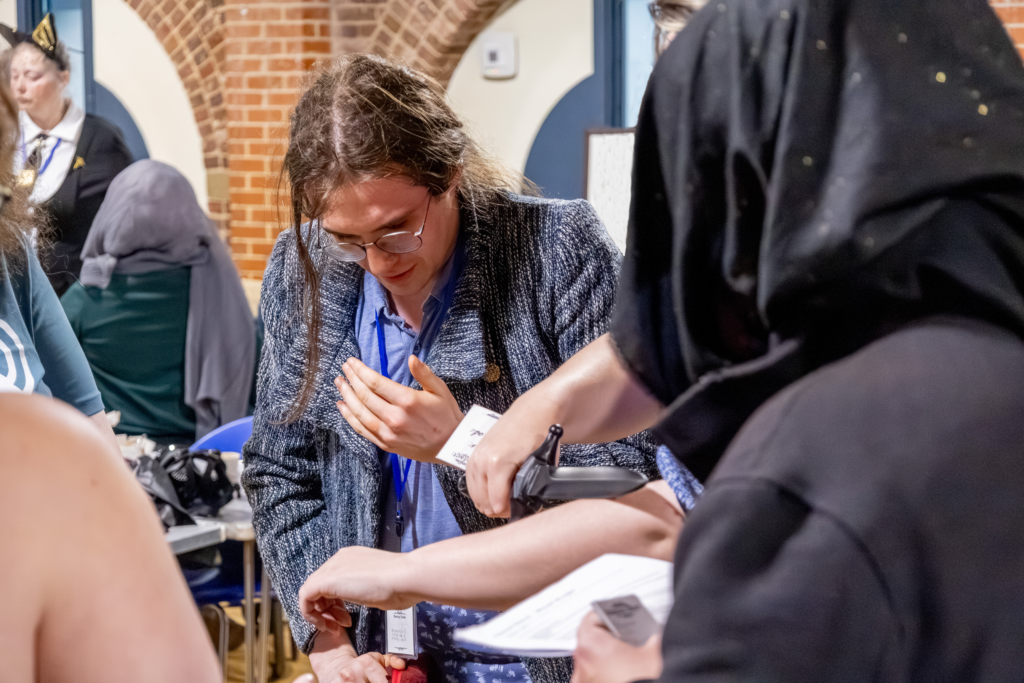
The actual practice of Blood Magic varies from person to person, but will involve physically manipulating the body to alter the movement and balance of elements within. Most will point to the various channels and meridians that the humours flow through; identifying these channels and how to expand or tighten them is key to working with Blood Magic. Literal blood-letting and transfusions might be involved, but other practitioners might work more subtly, manipulating the body and its energies with pins, heat and cold, drugs or other methods.

Blood Magic in Play
You can create roleplaying effects in people by adjusting their humours. There are four humours; Sanguine, Choleric, Phlegmatic and Melancholic.
A humour exists in one of three stages, in order: Deficient, Balanced, or Excessive. People start out at Balanced in all humours; a humour being Deficient or Excessive creates a roleplaying effect.
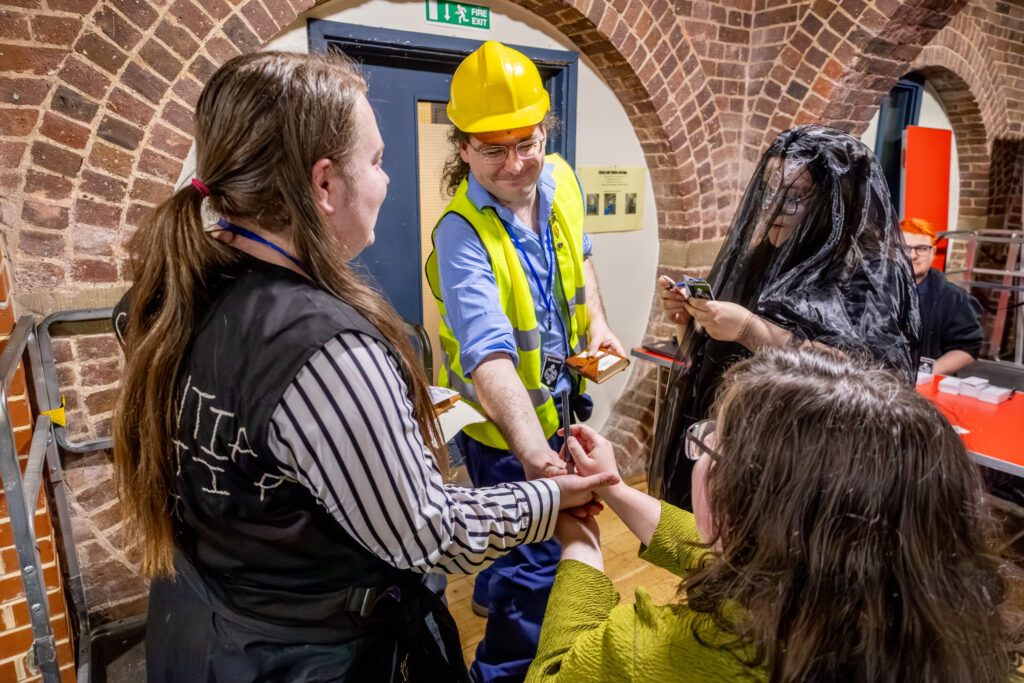
When working with humours, pick a single humour to work with, and two people. One donates the humour (lowering it a stage), and the other receives it (raising it a stage). Anybody can create Dyscrasias as often as they want simply by roleplaying through the process of adjusting humours; the process might involve physical blood-letting, hypnotic induction, or some other pseudo-scientific method. As well as the person creating the Dyscrasias, there must be two other people present, one to donate and one to receive.
While you’re affected by a Dyscrasia (deficient or excessive), you can ignore certain feedback when performing Energy Magic with a corresponding element: when you draw blocks of that colour with symbols on them, you suffer no feedback.
Sanguine Dyscrasias
Ignore Feedback from drawing Pale blocks.
Deficient: “You find yourself socially withdrawn and more comfortable following rather than leading.”
Excessive: “You feel socially confident and outgoing, and find creative solutions appealing.”
Phlegmatic Dyscrasias
Ignore Feedback from drawing Greyish blocks.
Deficient: “You become closed-minded and prefer familiar and practical things.”
Excessive: “You’re filled with curiosity and a desire to learn and experience new things.”
Melancholic Dyscrasias
Ignore Feedback from drawing Dark blocks.
Deficient: “You find yourself callous and pragmatic, unmoved by the emotions of others.”
Excessive: “You become empathetic and find it easy to set aside your own ego to work with others.”
Choleric Dyscrasias
Ignore Feedback from drawing Reddish blocks.
Deficient: “You become weak-willed and easily convinced by the arguments of others.”
Excessive: “You become strong-willed and emotionally resilient, and filled with a drive to complete your goals.”